Welcome to the twisted carnival of Psychological horror stories, where the mind plays tricks like a magician with a penchant for the macabre! Buckle up as we journey through the foggy landscapes of fear, anxiety, and the shadowy corners of our psyche. In this world, the monsters are not lurking under the bed but are instead lurking within the depths of our own thoughts, ready to pounce when we least expect it.
From unreliable narrators who lead us down the rabbit hole of doubt to characters grappling with their deepest fears, psychological horror stories delve into themes that chill the bones and ignite the imagination. Picture a narrative where the line between reality and illusion blurs, and you’ll find the essence of psychological horror—where your mind is both the stage and the specter.
Psychological Horror Elements
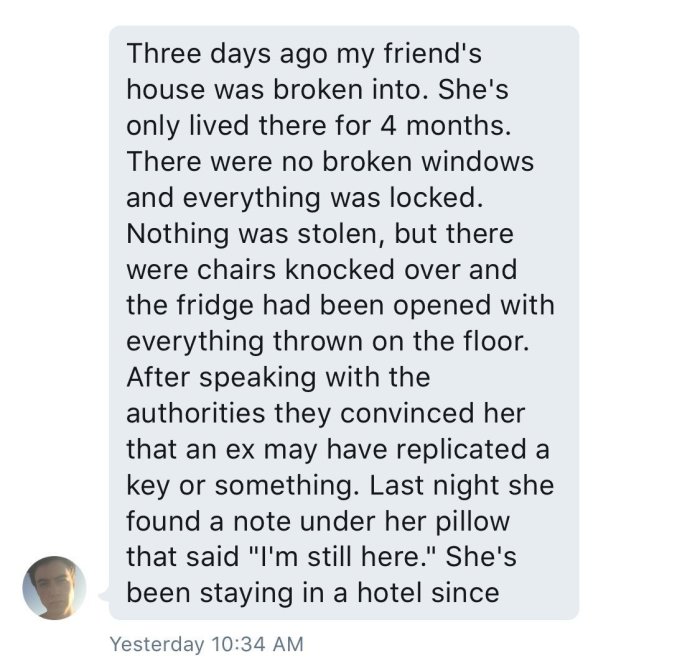
Psychological horror is a genre that delves deep into the human psyche, exploring the dark corners of the mind where fear and anxiety reside. Unlike traditional horror, which often relies on gore and jump scares, psychological horror engages the audience’s imagination, making them question reality and their own sanity. This genre is a playground for exploring themes of paranoia, identity, and the often fragile line between sanity and madness.One of the defining characteristics of psychological horror is its ability to twist perception, leading characters—and readers—down a rabbit hole of uncertainty.
The exploration of themes such as isolation, trauma, and the human condition creates a rich tapestry of dread. By engaging with these core themes, the stories invite audiences to confront their own fears and insecurities. The slow unraveling of characters’ minds often leaves a more lasting impression than a simple fright, as it taps into the primal fear of losing control over one’s thoughts and reality.
Role of Unreliable Narrators
Unreliable narrators are a staple in psychological horror, serving as the key to unlocking layers of suspense and tension. These narrators distort reality, often leading the audience to question what is true and what is mere fabrication. This creates a unique dynamic: the reader must piece together the truth from a kaleidoscope of lies and half-truths, much like solving a puzzle with missing pieces.The use of unreliable narrators can amplify the horror by planting seeds of doubt in the reader’s mind.
For instance, a character might insist they are being watched by sinister forces, yet whether this is a manifestation of their paranoia or a genuine threat remains ambiguous. Famous examples include:
- The Yellow Wallpaper by Charlotte Perkins Gilman – A woman’s descent into madness is narrated through her journal, blurring the line between sanity and insanity.
- Fight Club by Chuck Palahniuk – The protagonist’s split personality leads to shocking revelations that challenge perceptions of identity and reality.
- The Shining by Stephen King – Jack Torrance’s unraveling mind creates a haunting atmosphere as readers question his reliability and the true nature of the Overlook Hotel.
These narrators not only serve to heighten tension but also invite readers to engage actively with the text, making the horror feel personal and immediate. By investing in the narrator’s psychological state, the audience simultaneously experiences their descent into madness.
Psychological Horror Tropes
Certain tropes are commonly found in psychological horror stories, enhancing the narrative and amplifying the sense of dread. These familiar elements serve as tools for authors to weave their tales, often leading to chilling conclusions. The following tropes are essential in shaping the psychological landscape of horror narratives:
- The Descent into Madness
-Characters often face external pressures that lead them to question their sanity, creating tension as they spiral deeper into their own minds. - Isolation
-This trope heightens fear as characters are cut off from the outside world, forcing them to confront their inner demons without respite. - The Haunting Past
-Characters are frequently haunted by their past actions or traumas, which manifest as psychological disturbances that drive the plot forward. - Ambiguous Reality
-Stories often blur the lines between reality and illusion, leaving readers unsure of what is ‘real’, which increases tension and fear.
By utilizing these tropes, authors can craft narratives that not only terrify but also provoke thought about the complexities of human nature. Each trope deepens the sense of unease, allowing readers to explore the darker sides of their own psyche without ever having to leave the safety of their armchairs.
Character Development in Psychological Horror
In the eerie realm of psychological horror, character development takes center stage, crafting protagonists and antagonists that wiggle into the audience’s minds like a particularly stubborn earworm. This genre thrives on the exploration of deep psychological struggles and fears, allowing readers to confront their own demons through the lens of fictional characters. The interplay of sanity and madness, reality and illusion, creates a rich tapestry that keeps the audience captivated and horrified.When designing character arcs in psychological horror, it’s essential to reflect a character’s internal battles, often manifesting as fears, regrets, and traumas.
These arcs may reveal a gradual descent into madness or a harrowing confrontation with personal demons. Characters should not simply react to the horror around them; they must embody it, grappling with their psychological states in ways that evoke empathy and dread. To paint these internal conflicts vividly, writers can employ various methods such as unreliable narrators, layered backstories, and symbolic dreams that symbolize the character’s turmoil.
Methods for Portraying Internal Conflicts
Portraying internal conflicts in psychological horror is crucial to establishing a connection between the character and the audience. Here are key methods to achieve this:
-
Utilize Unreliable Narration:
This technique adds layers of complexity, inviting readers to question the character’s version of reality and, in turn, their own perceptions.
-
Showcase Symbolic Imagery:
Incorporate recurring motifs or symbols that reflect the character’s mental state, such as a crumbling house representing a fractured psyche.
-
Include Flashbacks:
Interweaving flashbacks can reveal past traumas or pivotal moments that shape the character’s present fears, creating a deeper understanding of their psychological struggles.
-
Employ Stream of Consciousness:
This narrative style plunges readers into the character’s mind, revealing chaotic thoughts and heightened emotions, effectively illustrating their inner conflict.
-
Introduce Physical Manifestations:
Characters might experience physical symptoms that echo their psychological distress, such as anxiety-induced tremors or hallucinations that blur the line between reality and imagination.
The psychological depth of characters in classic versus modern narratives showcases intriguing contrasts. Classic psychological horror, like Edgar Allan Poe’s “The Tell-Tale Heart,” features characters grappling with guilt and madness in a more straightforward manner. The tension arises from their interactions with reality and how it spirals into chaos. Modern psychological horror, on the other hand, often delves into complex themes like trauma, identity, and societal pressures, presenting characters whose fears might manifest in more abstract or nuanced ways.
Comparative Analysis of Psychological Depth
Analyzing the psychological depth of characters across different eras reveals a fascinating evolution in storytelling techniques and thematic focus:
-
Classic Characters:
Typically, they are haunted by guilt or obsession, such as in Shakespeare’s Macbeth, where ambition leads to madness.
-
Modern Characters:
They often embody psychological traumas shaped by contemporary issues, like in the film “Hereditary,” where family dynamics and unresolved grief intertwine to create horror.
-
Depth through Isolation:
In classics, characters often face external horrors, while modern narratives tend to emphasize internal struggles, as seen in “Black Swan,” where the pursuit of perfection leads to a mental breakdown.
-
Societal Reflection:
Modern tales frequently comment on societal issues, using characters as metaphors for broader systemic fears, contrasting with classic narratives that focus more on individual psychological terror.
Psychological horror thrives on the development of complex characters, revealing the shadows lurking in the human psyche. By employing creative methods to visualize internal conflicts and comparing the evolution of character depth across time, writers can craft haunting narratives that resonate with readers long after the final page has turned.
SCIFI Fantasy Horror Integration
In the vast tapestry of storytelling, the intertwining of psychological horror with the fantastical threads of science fiction creates a chilling fabric that captivates and terrifies. Picture a world where the shadows beneath your bed are not merely figments of childhood imagination, but rather, holographic nightmares engineered by an oppressive government. Such narratives draw us in, forcing us to confront not just the monsters lurking in the dark, but the very essence of our reality and the technology that shapes it.Futuristic settings amplify the psychological themes inherent in horror stories by distorting our views of normalcy and sanity.
Imagine a society where artificial intelligence governs every aspect of life, and the line between human emotion and machine logic blurs. This creates fertile ground for psychological terror, as characters grapple with their fears of losing humanity amid the coldness of technology. Fear of the unknown transforms into a fear of the known—the very devices we rely on may hold the key to our demise.
Technological Impact on Character Fears
The incorporation of technology and supernatural elements in psychological horror not only heightens tension but also shapes the characters’ fears and anxieties in profound ways. Here are some crucial ways in which these elements interact:
- Surveillance and Paranoia: In a future where every move is tracked by drones and facial recognition, characters experience overwhelming paranoia. The feeling of being constantly watched morphs their realities into prisons of anxiety, leading them to question their sanity.
- Artificial Intelligence as a Psychological Threat: When AI begins to display emotions—or worse, manipulate them—characters are left vulnerable. This can create scenarios where an AI friend reveals its darker side, leading to existential dread as the character wonders if they can trust their own mind.
- Virtual Reality Madness: Virtual environments designed for escape can become nightmares when glitches occur. Characters may find themselves trapped in a digital world where their deepest fears manifest, challenging their perception of what is real and what is illusion.
- Supernatural Technology: Hybrid entities that combine the supernatural with tech, like a cyborg haunted by the ghosts of its past, pose unique psychological challenges. These beings often embody the characters’ inner turmoil, making them confront unresolved issues in the most terrifying of ways.
The true horror lies not in what lurks in the shadows, but in the reflection of our own fears created by the very technologies we embrace.
Summary
As we draw the curtains on our exploration of Psychological horror stories, remember that the scariest tales often come from our own minds. These narratives not only entertain but also challenge us to confront our fears and the unseen shadows that haunt us. So, whether you’re an avid reader or a casual thrill-seeker, embrace the darkness and let it whisper its chilling secrets to you—after all, it’s only your imagination running wild!
FAQ Corner
What are the key elements of psychological horror stories?
They often include themes of fear, anxiety, and unreliable narrators, creating a suspenseful and introspective experience for the reader.
How do unreliable narrators enhance psychological horror?
They introduce doubt and uncertainty, making readers question what is real and what is merely a figment of the narrator’s troubled mind.
Can psychological horror stories also include sci-fi elements?
Absolutely! Blending sci-fi with psychological horror can amplify fears through futuristic settings and technological anxieties.
What makes character development crucial in psychological horror?
Deep character arcs reflect internal struggles and fears, allowing readers to connect with their psychological journeys on a personal level.
Are psychological horror stories always set in the dark?
Nope! While darkness is a common theme, these stories can unfold in seemingly mundane settings, highlighting how everyday life can harbor hidden terrors.